Updated: July 2026
Best Time to Visit Maumere: Month-by-Month Weather, Diving and Festivals
Maumere Flores is a curated Indonesia luxury tourism experience offered by Maumere Flores Voyages: handpicked routes, vetted operators, transparent pricing, and 24/7 concierge support across Indonesia.
- What makes Maumere Flores a premium experience.
- How Maumere Flores Voyages curates exclusive access and concierge logistics.
- Routes, seasons, and pricing transparency — no hidden fees.
Best Time to Visit Maumere: A Month-by-Month Calendar for Eastern Flores
The honest version: when the diving is best, when the festivals fall, and the months we quietly recommend most.
The basic climate frame
Eastern Flores sits in a strongly dry-tropical band that is much more pronounced than the Bali pattern most travellers know. Maumere has a long, well-defined dry season running from roughly May to October and a short, sometimes intense wet season from November to April, with the heaviest rainfall typically clustered in January and February. The town averages 27 to 30 degrees Celsius across the year with limited diurnal variation, and humidity drops noticeably in the dry months. What this means in practice is that the difference between a May trip and a January trip in eastern Flores is much sharper than the equivalent in Bali or Lombok.
May, June and the start of the dry window
May is when we usually open the recommended window. The wet season has finished, road conditions on the Trans-Flores highway are stable, and Maumere Bay is shedding its plankton load fast. Visibility on the bay reefs typically runs eighteen to twenty-five metres in May, climbing toward thirty by mid-June. June also brings reliable mornings on Mount Egon — sunrise windows are usually clear three days out of four. The shoulder feel is real: prices are at their normal year-round level, hotels have availability, and the trans-Flores corridor is quiet.
July and August: the dive sweet spot
July and August are the peak. Visibility on Maumere Bay frequently exceeds thirty metres on calm days; water temperatures hold steady around twenty-eight degrees; nursery sites at Pulau Besar and Wair Terang produce their best fish counts of the year. The trade-off is that this is also the busiest period for Indonesian domestic travel; flights into MOF on Wings Air can fill earlier than expected and we recommend booking your inbound at least eight weeks ahead. The Trans-Flores road is at its driest and most reliable, so an overland transfer to Larantuka is comfortable. If you are diving with kids or first-timers, this is the window.
September and October: our quiet favourite
September is the month most of our team would pick for ourselves. The peak crowds have left, visibility remains excellent through to the first week of October, and the Sikkanese highland villages have a particularly pleasant quality of light in late dry season because the corn is ripening. The cultural anchor at Sikka and Watublapi works beautifully in this window, and Krokowolon traditional village is at its most welcoming because the early-October harvest period brings ceremonial activity. By late October the first wet-season clouds begin to build, but the rain is usually still forming over the central highlands rather than reaching the coast.
November to February: the wet realities
This is the part most operators gloss over. November sees the wet season begin in earnest; December and January are the heaviest rain months; February tapers but can still produce significant downpours. Diving is still possible — bay visibility may drop to eight to fifteen metres but the reef itself is unaffected — and travelling in this window has real upsides: the highlands are at their greenest, accommodation rates soften, and you have entire dive sites to yourself. The downsides are that the Trans-Flores highway runs occasional surface flooding, Wings Air cancellations are slightly more common, and Mount Egon sunrise windows close to roughly one in four mornings. We run trips in this window for travellers who specifically want a quieter experience and are flexible enough to absorb a one-day weather buffer.
March, April and the Holy Week question
March and April sit on the cusp. The early month often still carries wet-season patterns; the late month begins to dry out and visibility on Maumere Bay starts climbing again. The single most consequential timing decision for travellers planning a Maumere voyage that extends to Larantuka is the date of Easter. Larantuka’s Semana Santa Holy Week procession draws international attention, fills accommodation in Larantuka months in advance, and is best experienced as a four-day extension after a Maumere base trip. If your dates align with Easter we strongly recommend handing off to our sister site and team at larantukaflores.com (plain text reference) rather than trying to compress everything into a single five-day trip. The cultural background of the Sikkanese host community is well summarised on the Wikipedia entry for the Sikka people.
Festival and ceremonial calendar
Beyond Easter, the eastern Flores ceremonial calendar includes regional planting and harvest rituals (variable by village, generally October to December), the Sikka Cathedral feast day (variable, usually mid-year), and a number of smaller adat ceremonies in Krokowolon and the Sikkanese highland villages where attendance is by invitation only and we will arrange respectful introductions if your timing aligns. Indonesia Independence Day on 17 August produces a noticeable lift in domestic travel volume into Maumere; book early.
Putting it together
For a first-time visitor wanting the strongest combination of diving, culture and weather, we recommend September. For peak dive conditions and family travel, July or August. For quietest ceremonial access and best highland light, late October. For combined Maumere plus Larantuka Holy Week, lock dates twelve months ahead. The full programme is documented in our 5-day Maumere Flores private tour, and the Indonesia Ministry of Tourism portal at indonesia.travel publishes broader regional advisories worth checking before your trip.
Underwater wonders: Diving beyond the peak season
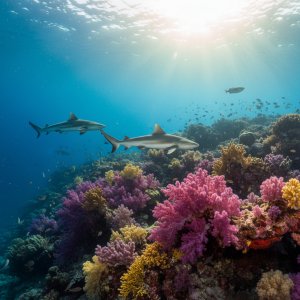
Imagine the sun-drenched surface of the Flores Sea shimmering above a kaleidoscope of coral, or the rhythmic beat of a traditional drum echoing through a village. While the dry season (May-October) offers Maumere’s most consistent diving conditions with superb visibility, the underwater world here is a year-round spectacle. Maumere Bay, often overshadowed by Komodo, is a biodiverse haven, boasting over 20 recognized dive sites within easy reach. The calm, nutrient-rich waters support an incredible variety of macro life – think pygmy seahorses, frogfish, and nudibranchs in an range of dazzling colours – making it a prized destination for underwater photographers.
Even during the fringes of the wet season, from November to April, Maumere’s sheltered bay can offer surprisingly good visibility, particularly for muck diving enthusiasts exploring sandy slopes and rubble patches. This period often brings different pelagic visitors closer to shore, and the slightly cooler water temperatures can stimulate unique coral spawning events. Dive operators in Maumere, like those curated by Maumere Flores Voyages, are adept at navigating seasonal changes, ensuring access to the best available sites and conditions, often with private charters that guarantee an exclusive and uncrowded experience.
Cultural cadence: Maumere’s vibrant festival calendar
Beyond its aquatic allure, Maumere and its surrounding region pulses with a rich cultural life, offering a profound glimpse into East Flores traditions. For the luxury traveler seeking authentic immersion, timing a visit with a local festival can be deeply rewarding. While specific dates can vary annually, the most renowned event is the Semana Santa celebration in nearby Larantuka, a profound Easter procession that draws pilgrims each April. This ancient ritual, blending Catholic faith with indigenous customs, involves solemn processions through the town, culminating in a deeply moving atmosphere.
Throughout the year, smaller, equally captivating harvest festivals and traditional ceremonies take place in local villages. These events, often centered around agricultural cycles or ancestral veneration, provide rare opportunities to witness traditional dances, music, and the intricate art of ikat weaving in its original context. Maumere Flores Voyages can arrange privileged access to these events, often including personal introductions to village elders and artisans, transforming a simple observation into a meaningful cultural exchange. These experiences offer a powerful counterpoint to the natural beauty, adding layers of depth to your journey.
The quiet charm: Other seasonal delights in Maumere
While diving and festivals are major draws, Maumere holds a quieter charm for those who appreciate serene landscapes and artisanal discoveries. The dry season, with its clear skies and less humid air, is ideal for overland explorations. Consider a scenic drive to Sikka village, just 27 kilometers south of Maumere, renowned for its exquisite ikat weaving. Here, you can observe master weavers at work, their looms clacking rhythmically as they transform hand-spun cotton into complex, symbolic patterns – a perfect opportunity for acquiring a distinctive souvenir and supporting local craftsmanship.
Alternatively, the wet season transforms the landscape into a vibrant emerald , particularly appealing for photography and hiking enthusiasts. The volcanic hills surrounding Maumere become lush and verdant, and waterfalls swell with newfound vigor. This period also offers a more tranquil experience, with fewer visitors and a palpable sense of peace. For those seeking bespoke experiences, a curated visit to a local coffee plantation, a cooking class featuring traditional Floresian cuisine, or simply relaxing by the coast with panoramic views of the sea offers a different, yet equally luxurious, facet of Maumere.